Central Washington, U.S.A. is a region of contrasts, where sweeping wheat fields give way to rugged desert bluffs, and train trestles stand as silent witnesses to humans interaction with these lands. The massive Snake and Columbia river basins and the thousands of smaller rivers, creeks and streams that feed them, have carved out the basalt bedrock over a millenium. I took a journey through this diverse landscape, starting on the Snake river in Idaho and the winding WawaWai Road and then up through the Snake river breaks, meandering through quiet towns like Washtucna and Soap Lake, before finally reaching the Columbia River.
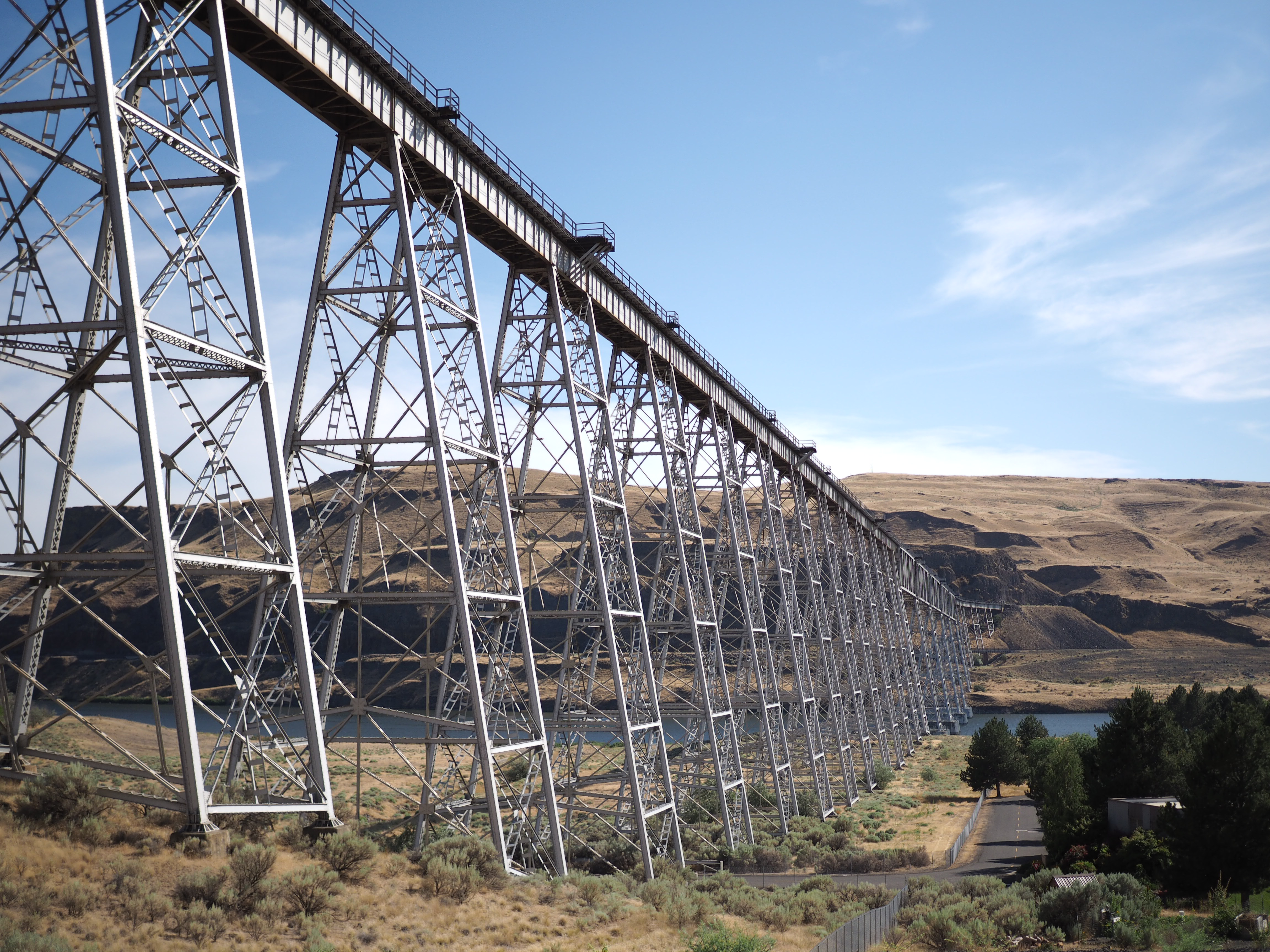
Train Trestle on WawaWai Road: The Joso Bridge
As I ventured along the WawaWai Road, one of the most striking landmarks I encountered was the Joso Bridge, a colossal modern train trestle that spans the Snake River. This impressive structure, near Lyons Ferry, is an engineering marvel and a crucial component of the Union Pacific Railroad line. The Joso Bridge towers above the river, its steel frame cutting a bold silhouette against the vast landscape. Stretching across the Snake River, it connects the rugged terrain of Southeast Washington with Northeast Oregon, a testament to human ingenuity in the face of nature’s grandeur.
The Columbia Basin Scablands: A Landscape Carved by Cataclysm
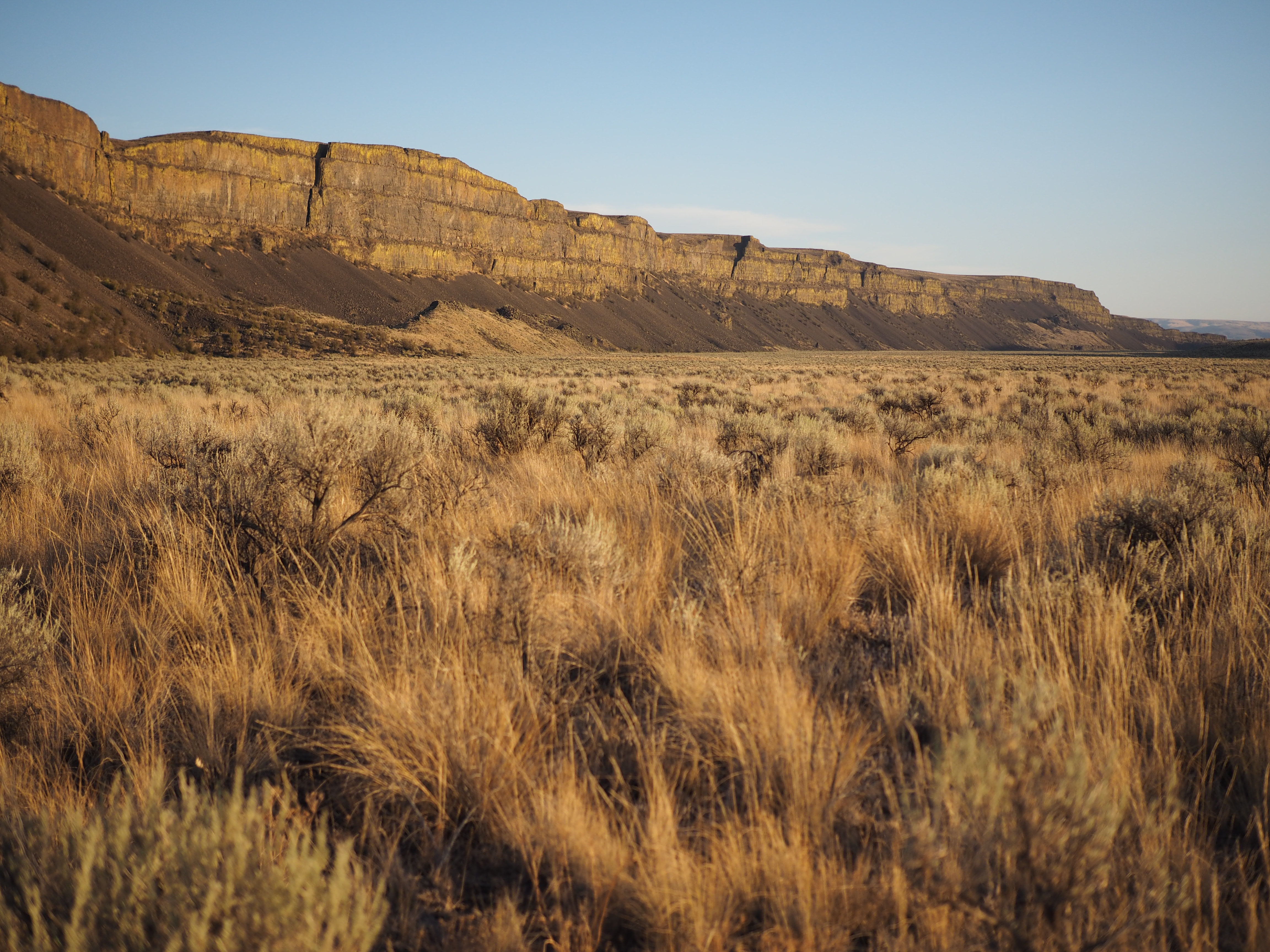
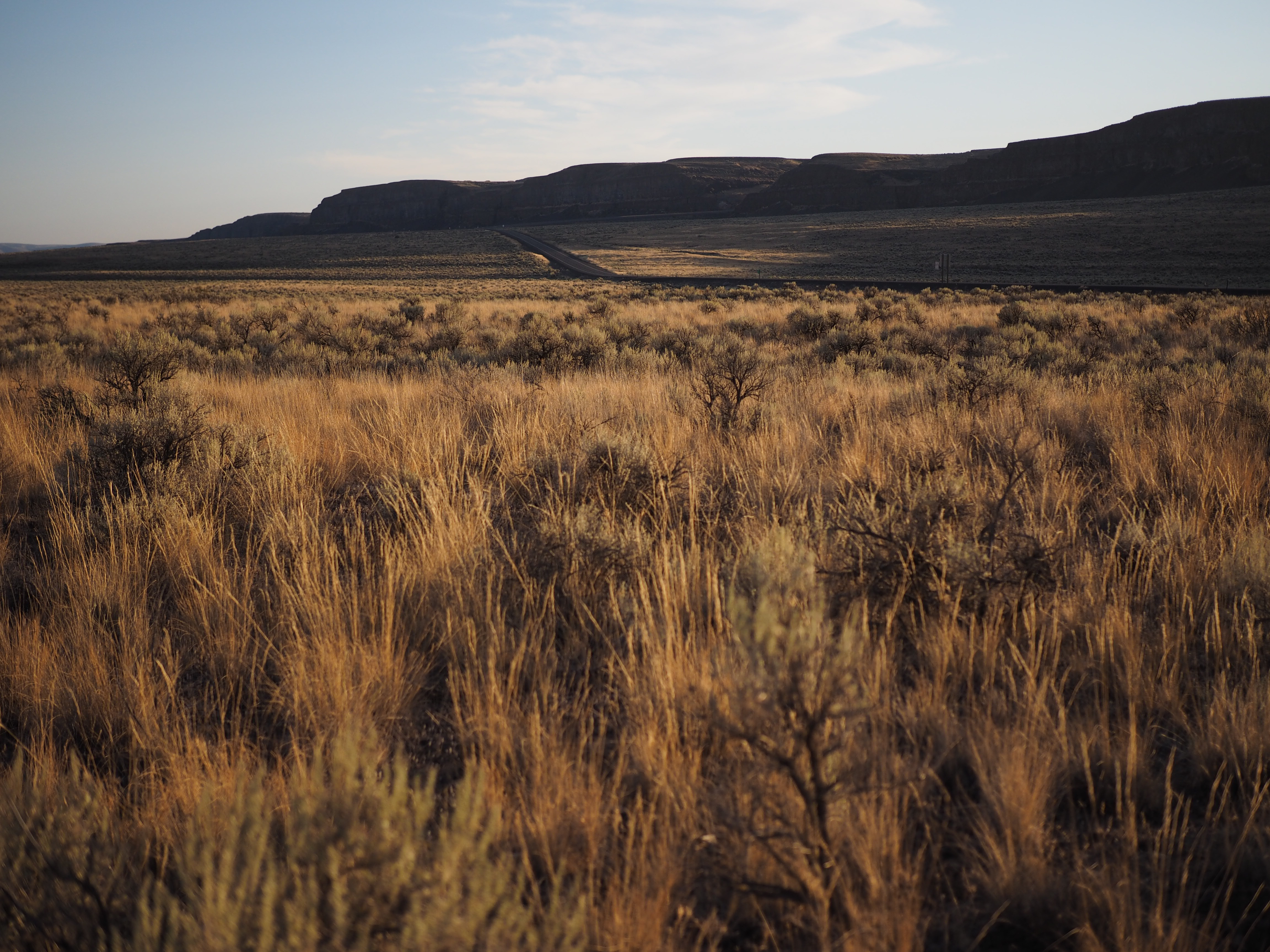
Driving through the Columbia Basin Scablands, deilivers a front row seat to the one of the most dramatic geological events in North American history. The channeled scablands are the result of the Missoula Floods, a series of cataclysmic glacial floods that swept across the region thousands of years ago, carving deep channels and leaving behind a terrain that feels almost otherworldly. The vast, barren stretches of rocky outcrops and basalt cliffs stand as a testament to the immense power of water, frozen in time.
Soap Lake: A Natural Wonder with Healing Waters
As my journey continued north along Route 17, I arrived at Soap Lake, a small town centered around one of Washington’s most unique natural wonders. Soap Lake is named for its highly alkaline waters, which have been reputed for their healing properties for centuries. The lake’s mineral-rich waters give it a distinctive milky appearance, and the surrounding shoreline often has a salty crust that glitters in the sunlight.
Lenore and Blue Lakes: Hidden Gems in the Coulee
Lenore Lake, with its long, narrow shape, feels like a quiet sanctuary amid the rocky cliffs. There’s a sense of timelessness here, a remnant of the Ice Age floods that carved this land.
Blue Lake, is just a short distance away. True to its name, the lake’s water is a striking shade of blue, reflecting the sky above and the steep basalt walls that rise on either side. The combination of deep blue water and rugged cliffs makes for a dramatic and photogenic landscape.
Driving past these lakes, I was reminded of the hidden beauty that often lies off the beaten path. While the Columbia Basin is known for its arid, desert-like environment, places like Lenore and Blue Lakes reveal the region’s unexpected diversity, offering moments of serene reflection amid the stark surroundings.
Embracing the Quiet Beauty of Central Washington
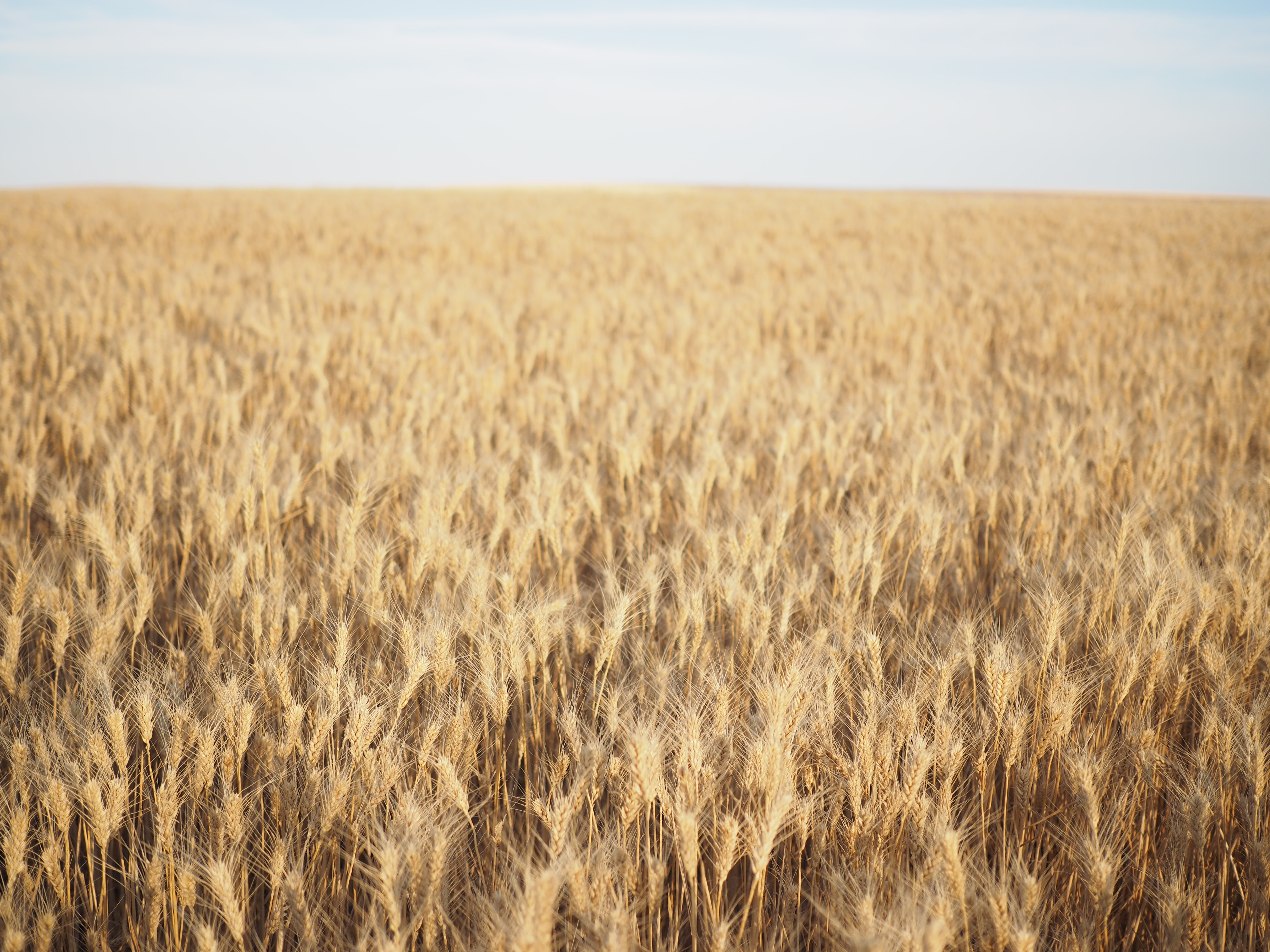
As my journey led me to the Columbia river, I was left with a deep appreciation for the region’s quiet beauty and surprising diversity. From the towering Joso Bridge over the Snake River to the dramatic desert bluffs and mesas at sunset, and the serene waters of Soap Lake and the hidden gems of Lenore and Blue Lakes, each stop along the way revealed a different facet of this often overlooked landscape. The rolling wheat fields, rugged bluffs, and winding roads tell a story of a place shaped by both nature and history. Whether you’re drawn by the promise of wide-open spaces or the allure of discovering something new, Central Washington offers a journey that’s both reflective and rewarding.
 Radical Earth